|
| |

|
|

Study Title: Paratroopers
improvise transportation
Subject: Airborne troops,
by definition, are lightly
equipped. Therefore any locally
obtained means of transportation
was added to the Table of
Equipment.
Date: September 18th, 1944
Location: Eindhoven,
Veghel, Eerde,
"The Island" (Betuwe region) Holland
Introduction: When the
German Army retreated from
Belgium and Northern France in
late August and early September,
many soldiers passed through
Eindhoven. In commandeered
vehicles, on foot or on stolen
bicycles, they hurried to the
Heimat.
This is a still picture from a
film made secretly on Hoog
Straat in Eindhoven:
|
|
(click on images
to enlarge) |
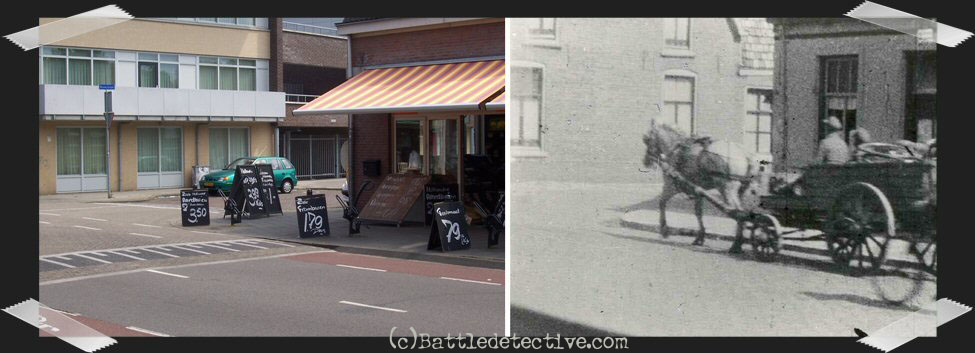 |
Eindhoven, early September 1944
German
soldiers in a Belgian or French farm
cart en route to the Fatherland.
Note the bicycles in the back.
|
|
The use of farm carts by the once
victorious Wehrmacht was seen by the
Dutch as a symbol of the decay of
the Third Reich. However, when
paratroopers of the 101st Airborne
Division used all sorts of
transportation, it was explained as
a symbol of "American Ingenuity". |
 |
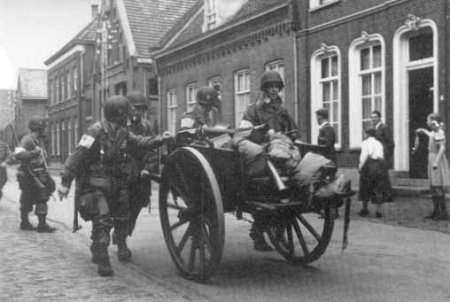
Eindhoven, September 18th 1944
Paratroopers on Keizers Gracht,
using a pram to move their
equipment.
|
|
Requisitioning transportation was
part of the overall task of airborne
troops. These are the experiences of
(Supply) Sergeant Robert R. Webb, of
"HQ" Co., 3rd Bn./506th in his book
Freedom Found, page 81-82, after
landing on the Drop Zone in Son,
Holland:
"Now I had a mission to perform.
I had to get all the bundles into
some kind of conveyance and get them
off the DZ and down the road to the
bridge at the Wilhelmina Canal. I
found the only farmhouse was just
off the DZ. I headed for it at once.
I went to the barn and found a horse
and wagon. Just what we needed! I
started to harness the horse and a
little Dutchman came out of the
house and protested my taking his
horse. He was a wonderful little
fellow and was about seventy-five
years old. He was going to whip my
ass right there if I insisted on
taking his horse and wagon. I tried
to explain why we had to have his
horse and wagon for a while but he
would not hear of it. His daughter
came out and could speak a little
English.
I explained to her how urgent it was
for us to get these supplies up to
the Canal and she told her father.
He looked at me and smiled and told
her to tell me that his horse and
wagon were fully at my disposal and
he would drive the wagon anywhere we
wanted to go. I said "God bless you
sir" and we became friends at once.
I helped him to harness the horse
and then got up on the wagon seat
with him and off we went. He stayed
with us for three days. He showed us
what the Dutch people were made of.
We picked up all the bundles we
could find that had ammunition and
medical supplies in them. We found a
bunch. I took everything out of the
bundles and it took up less room in
the wagon."
Here is an account of a Dutch point
of view of this type of
requisitioning:
Jo van der Linden in Jan van Hout's
collection of "Memories of September
1944".
Jo was with his family at the farm
on the Northern outskirts of
Eindhoven, watching as paratroopers
advanced towards Eindhoven on
September 18th 1944.
[...]
A while later a second group came
into our yard. With the aid of a
special booklet, their commander
asked my father if the horse that
walked in pasture out back belonged
to him. After an affirmative answer
he asked to tie the horse in front
of the cart which stood on the yard.
My father agreed, under the
condition that one of us could go
with them. Apparently he was
thinking about the future and didn't
want to loose the horse and cart. Of
course I, a 16 year old, was jumping
to go along. But that did not
happen. One of the farm workers went
with them.
[...]
Later that day I went to the
kindergarten school next to the
Vlokhoven church and there I saw 15
to 20 dead Germans lying piled up,
criss-cross on top of each other.
That was one of the things that they
used our horse and cart for. I
remember very well that it did not
affect me at all. I had more of a
feeling like 'serves them well'.
This in a bitter contrast to the
American Captain (Killey) (sic) who
was also lying there with a lethal
gunshot wound under his left jaw. He
was killed in action that morning
across from the windmill in
Vlokhoven. On the square stood a
halftrack which was presumably used
to pull canons. Later, these canons
were put out of action and stood on
the T-junction of Klooster Dreef,
Woenselse Straat and Frankrijk
Straat.
[...]
The horse and cart, and the farm
worker who was sent along with it,
were probably separated during the
bombing of Eindhoven by the Germans.
The combination of horse and cart
later ended up with a horse trader.
He aid to have been given the horse
and cart. But from whom remained
unclear. Anyway my father had to go
through a lot of trouble to get the
horse and cart he borrowed to the
Americans back. But with the help of
the police he finally did it."
Use of farm carts by paratroopers:
See also
Battle Study # 5 for photographs
of farm carts at the Woenselse Rail
Road Crossing and
Battle Study # 7 for pictures of
carts bringing the equipment of
paratroopers on the Museum Lawn.
|
|
(click on images to
enlarge) |
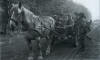 |
Farmers Eykemans and
Vervoort from Son talk to
Dutch army liaison Bothe
(with Corporal stripes on
uniform) at the edge of the
Drop Zone in Son. |
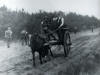 |
Farmer Jan van Asseldonk from Eerde
helps haul equipment for
paratroopers of Colonel
Johnson's 501st Regiment.
|
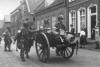 |
Paratroopers of the
501st move through Niew
Straat in Veghel, pushing a
farm car for their heavy
equipment. |
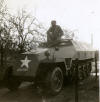 |
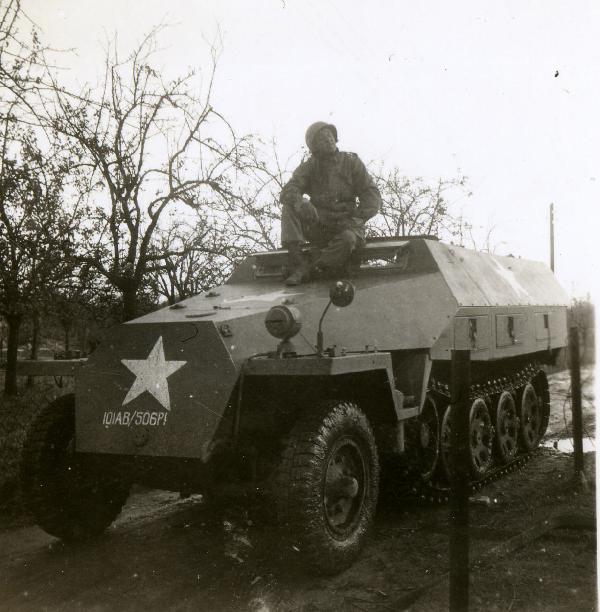
The best example
of improvised
transportation: a German
halftrack with markings of
the 506th Parachute Infantry
Regiment! |
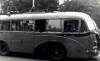 |
A BBA-bus load of armed
paratroopers of the 501st
Parachute Infantry regiment
patrols the streets of
Veghel. BBA does not stand
for "Battle Bus Authority"
but for "Brabantsche
Buurtspoorwegen en
Automobieldiensten";
Dutch for "Province of
North-Brabant Regional
Railway and Automobile
Services". |
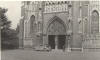 |
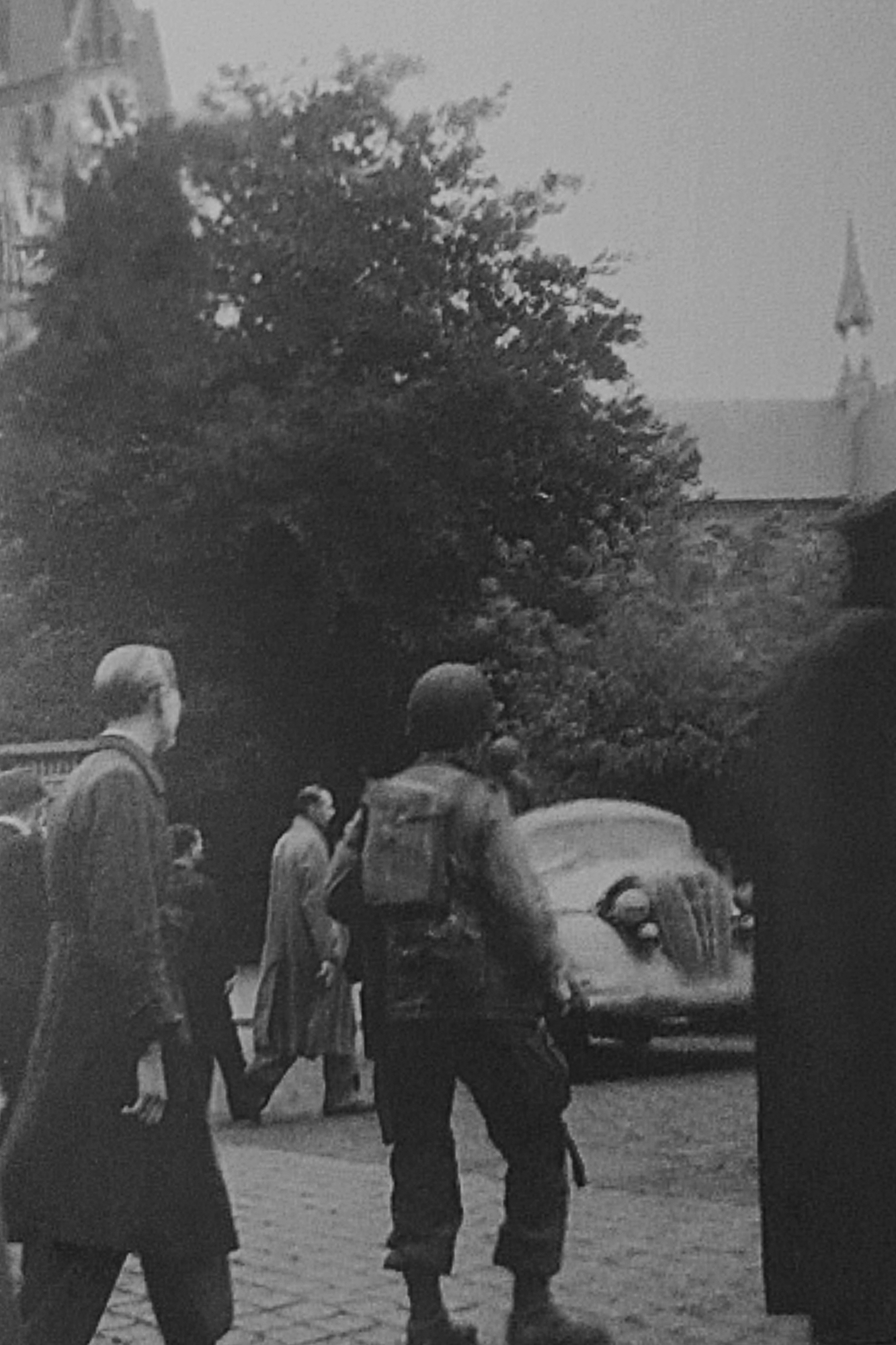
German officers drove
this car to the Sint
Lambertus Church in Veghel
to observe the parachute
landings nearby on September
17th, 1944. Local resistance
people sabotaged their
vehicle while they were
inside the church steeple.
When the Germans came
downstairs they were the
first POW's in Veghel. Us
paratroopers have tied a
air-recognition scarf to the
spare wheel at the back of
the car and made good use of
it. |
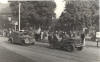 |
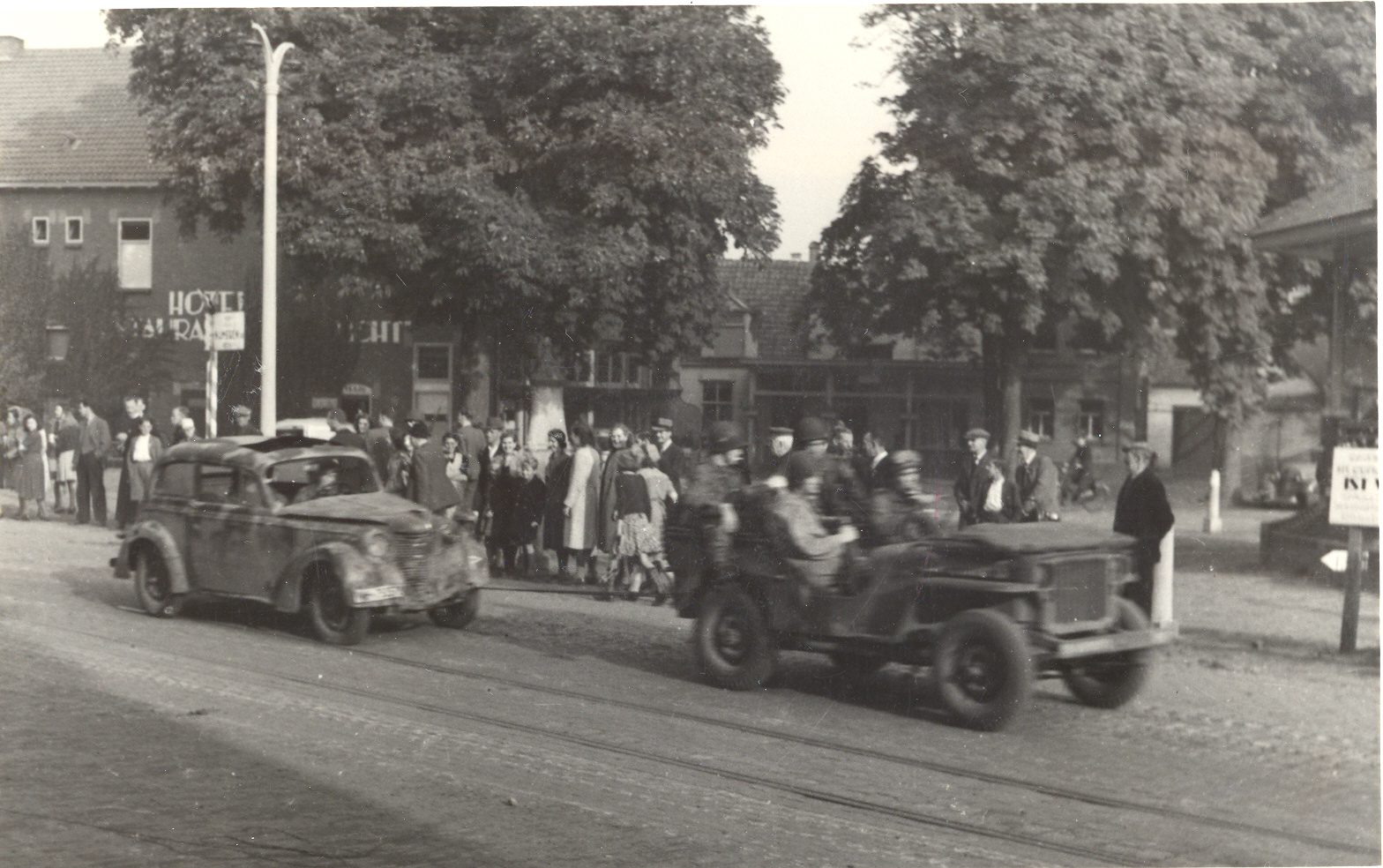
This picture, taken on
September 19th, 1944 in
Veghel, shows an Opel
Olympia towed behind a Jeep.
The day Veghel was liberated
by the 501st Parachute
Infantry Regiment, the
regimental commander,
Colonel Howard R. Johnson
watched this car driving
into town. He ordered his
men to shoot the driver in
the head and not damage the
car. |
|
|
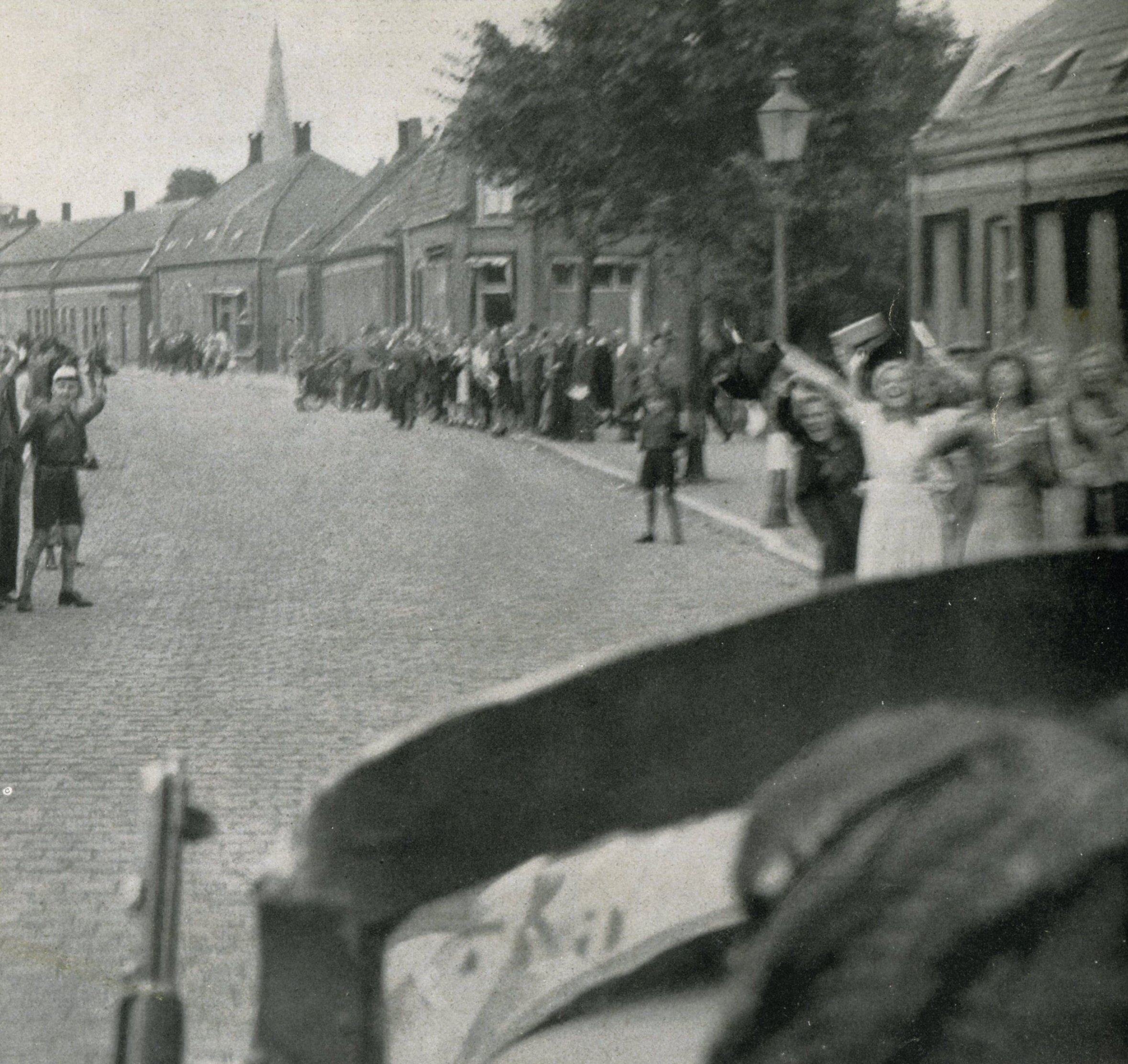
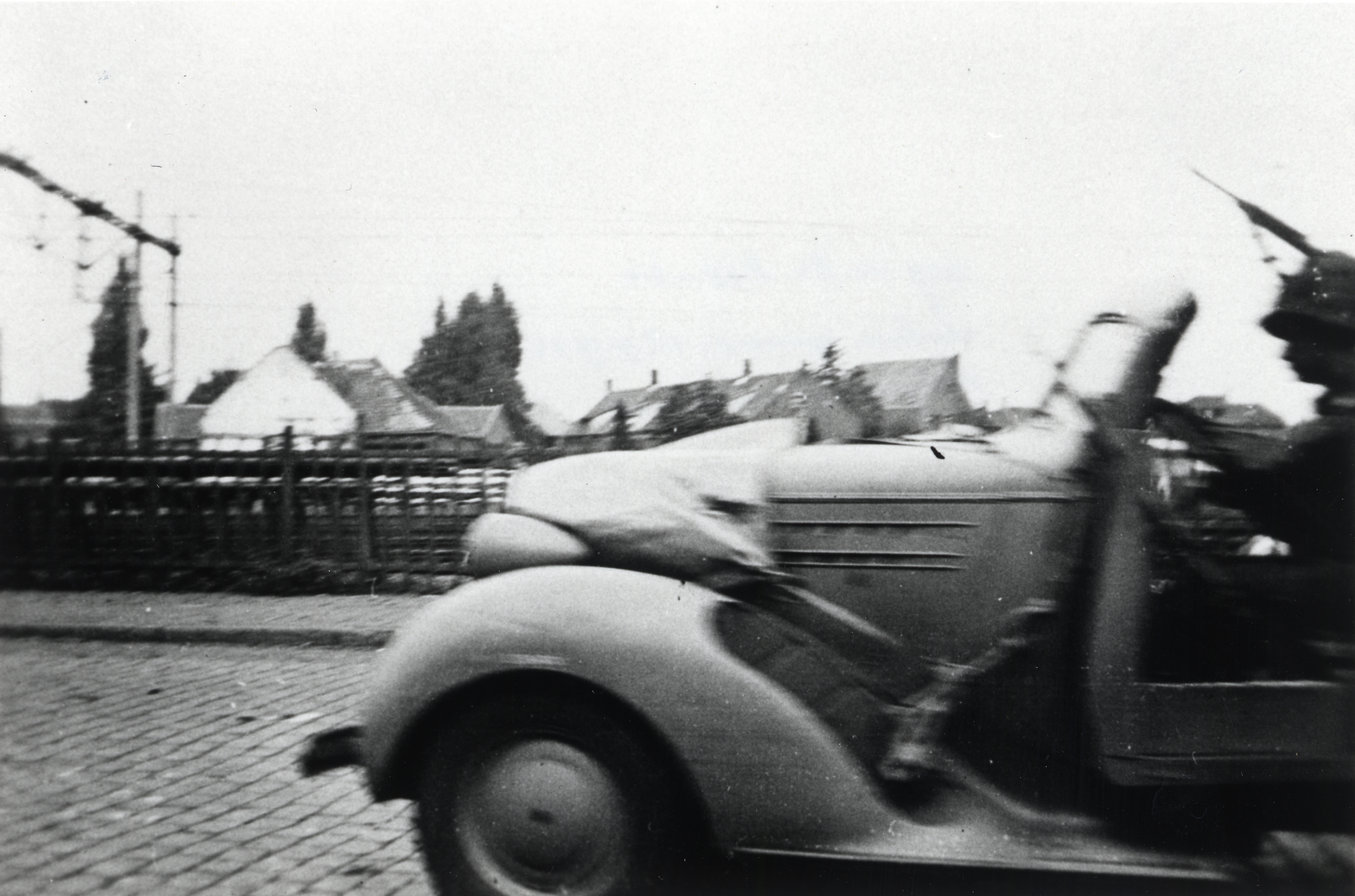
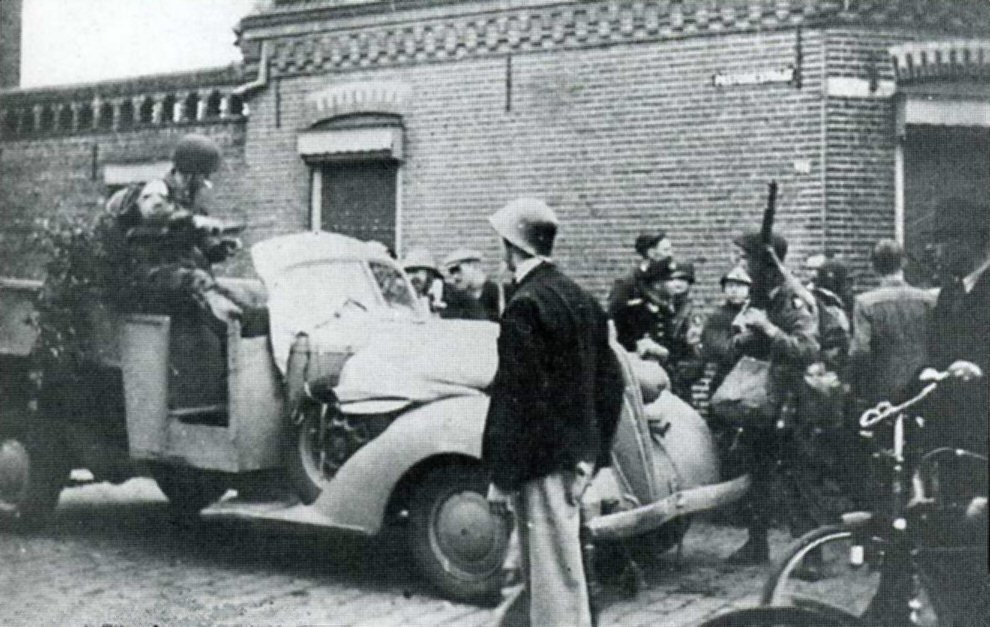
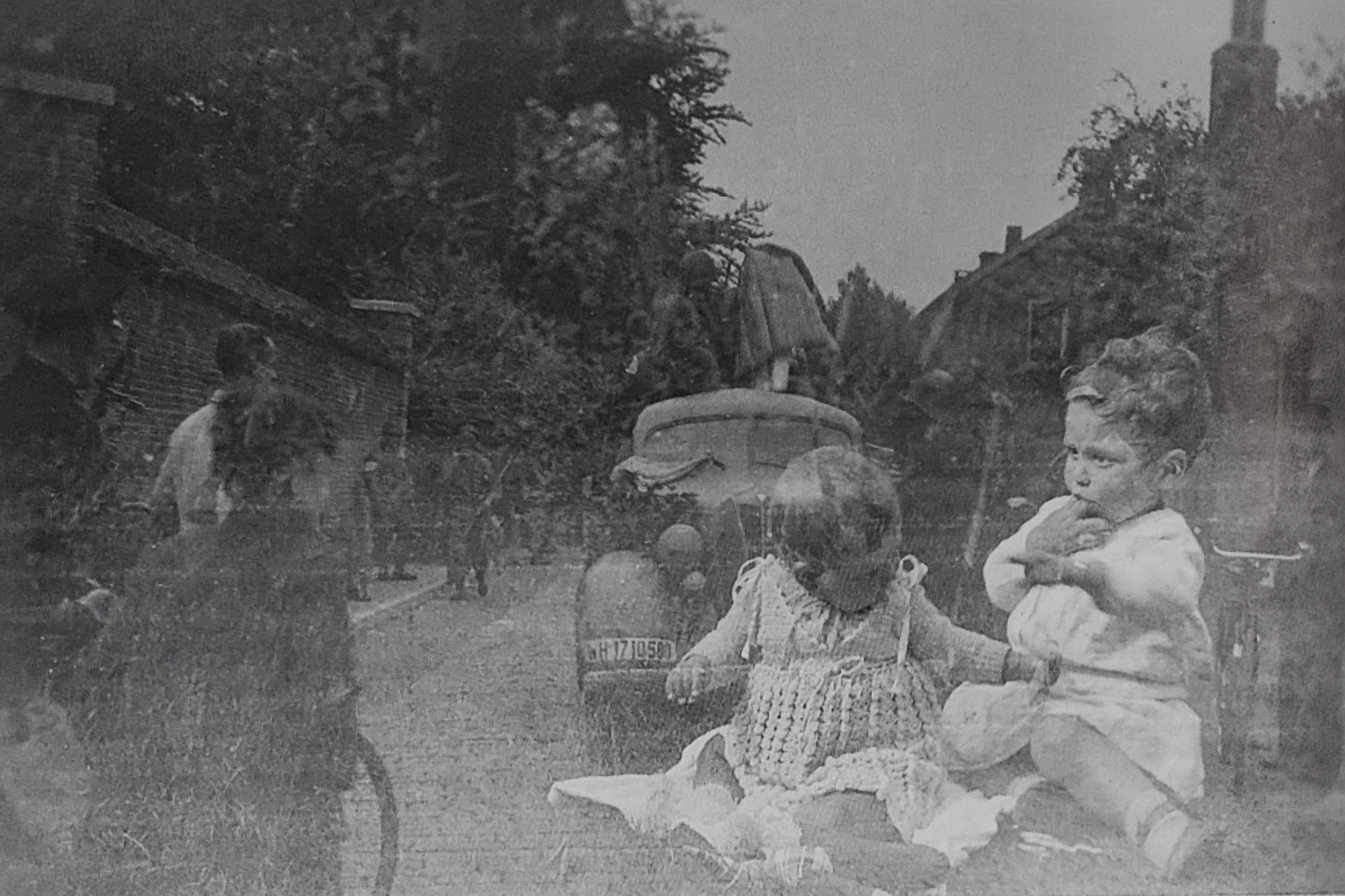
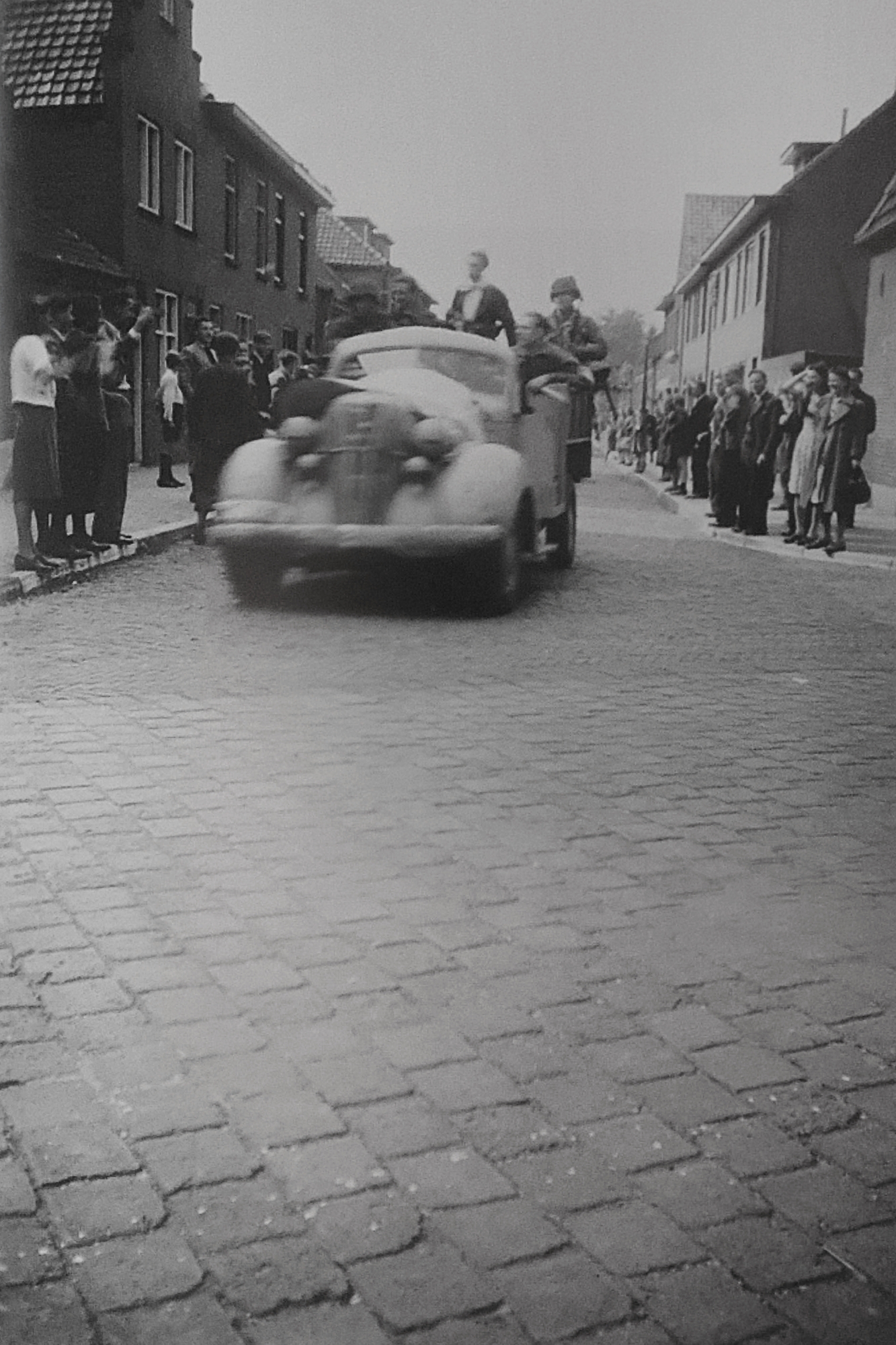
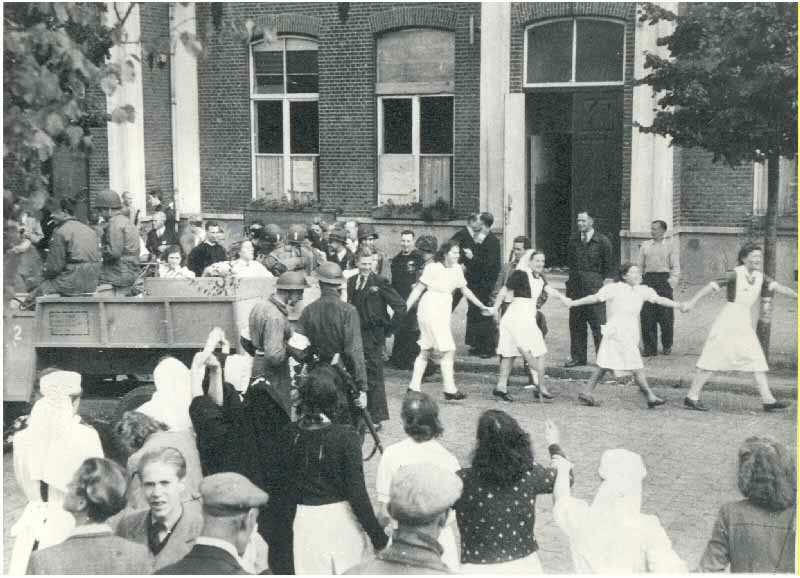
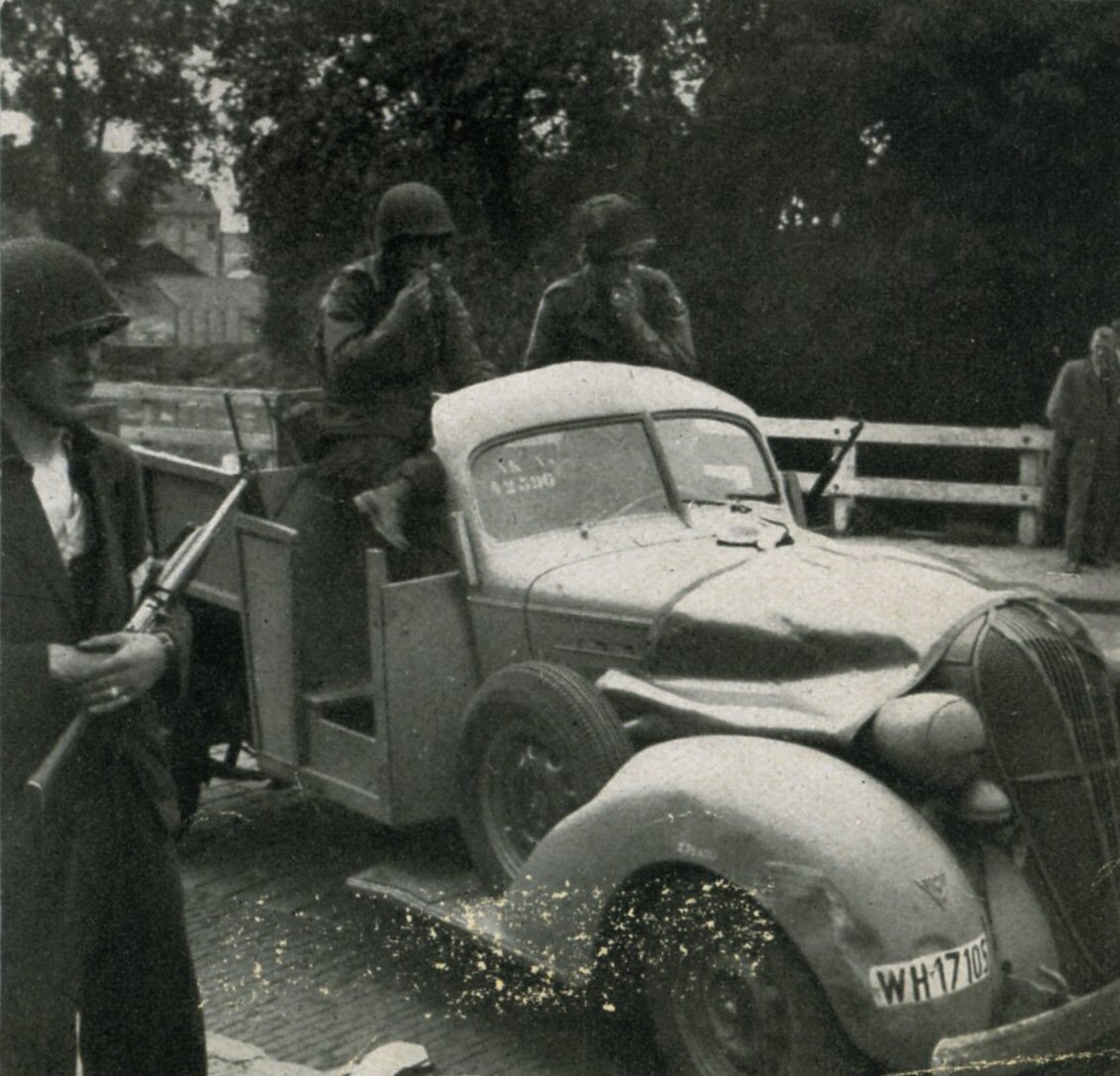
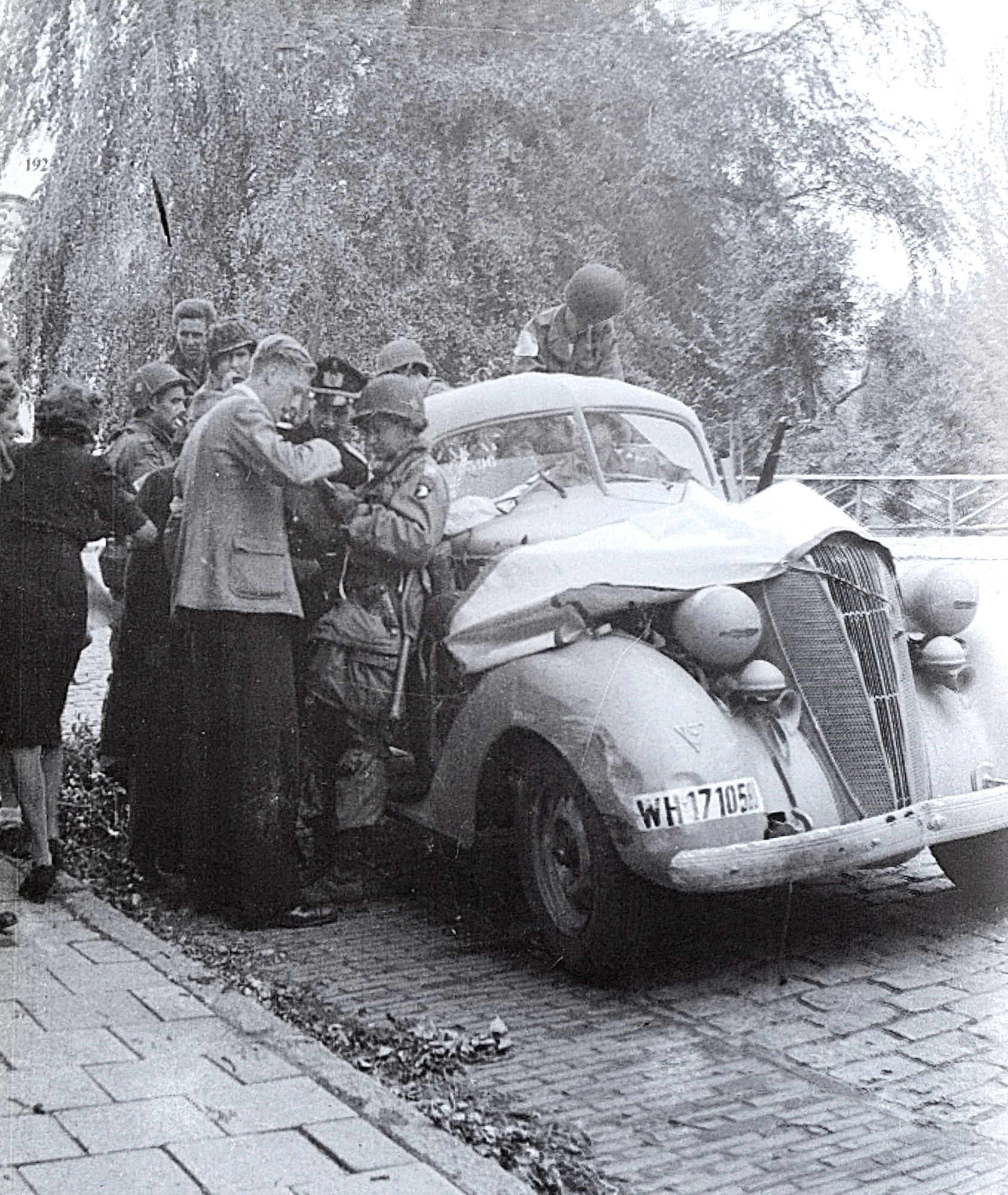
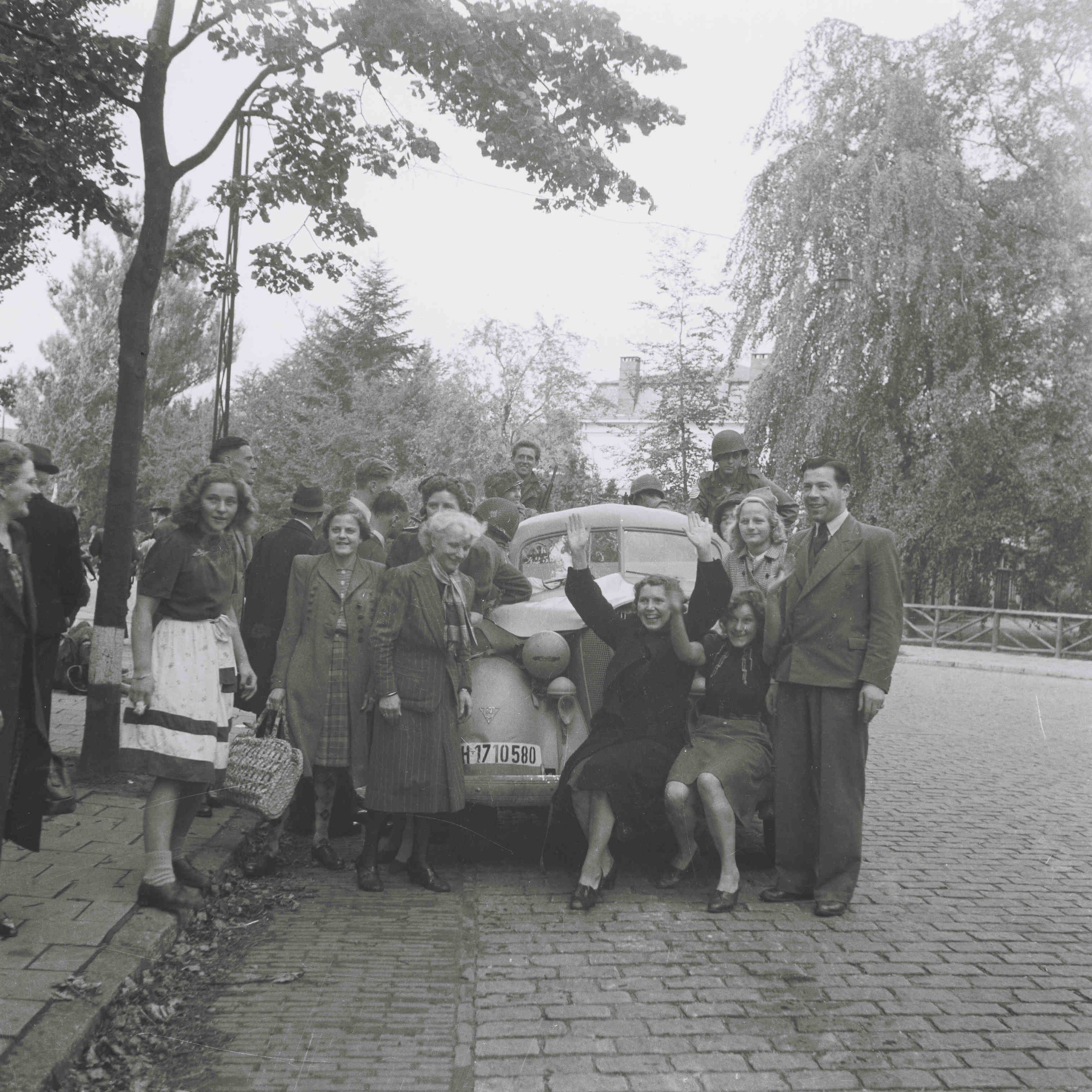
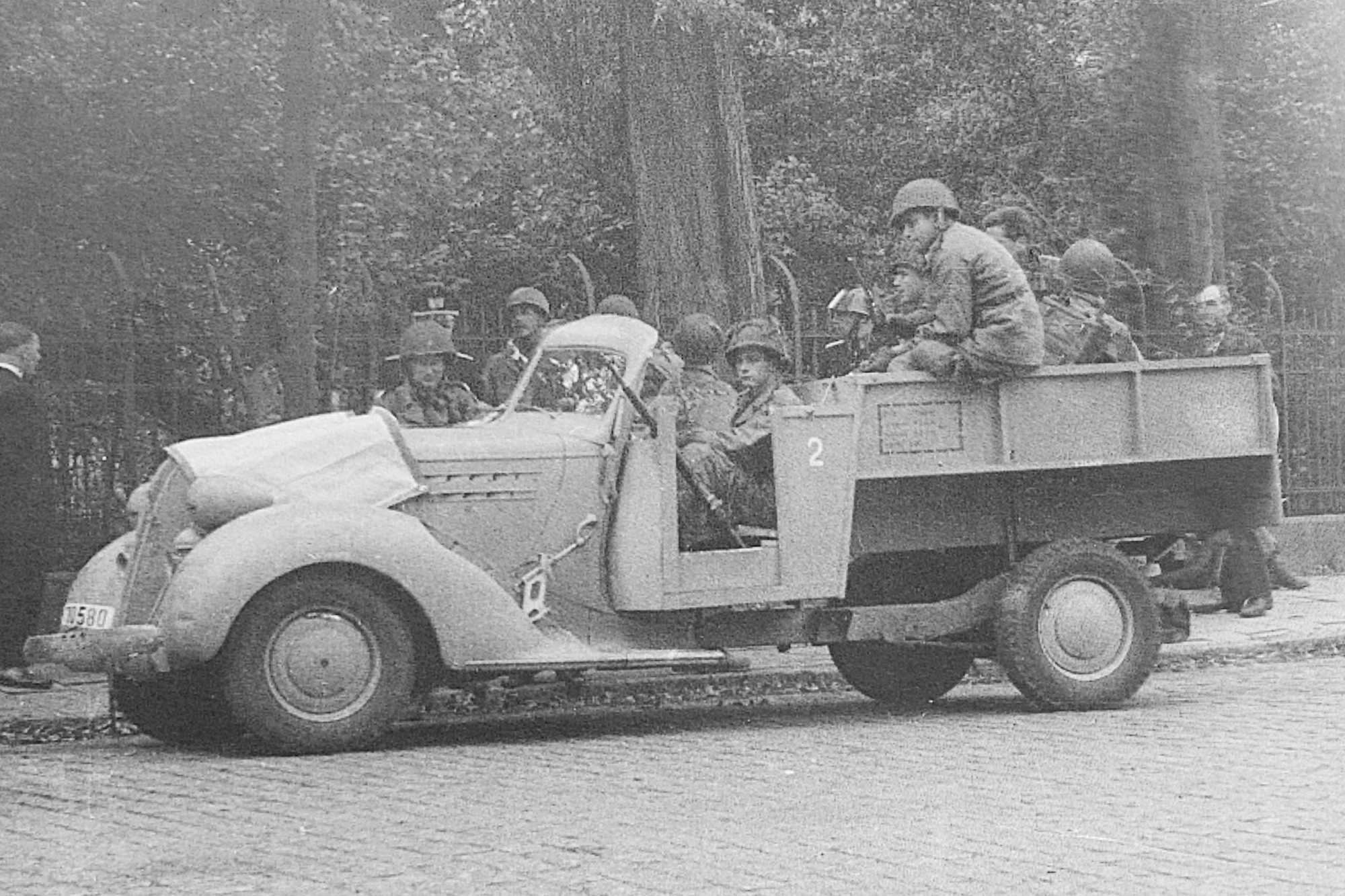
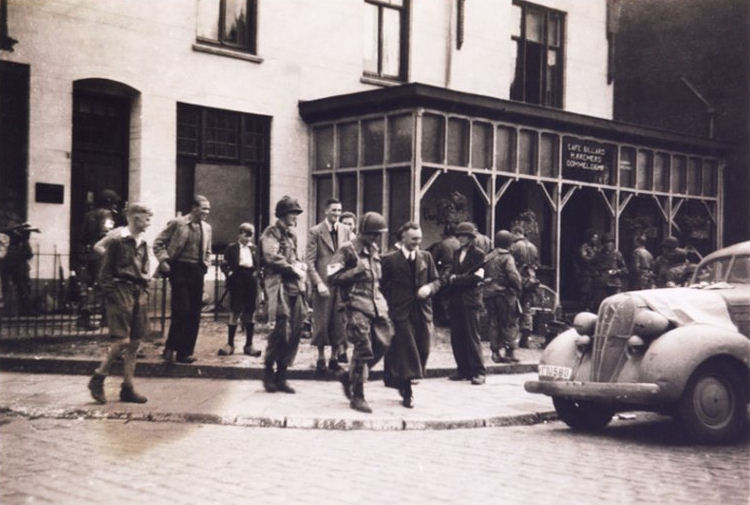
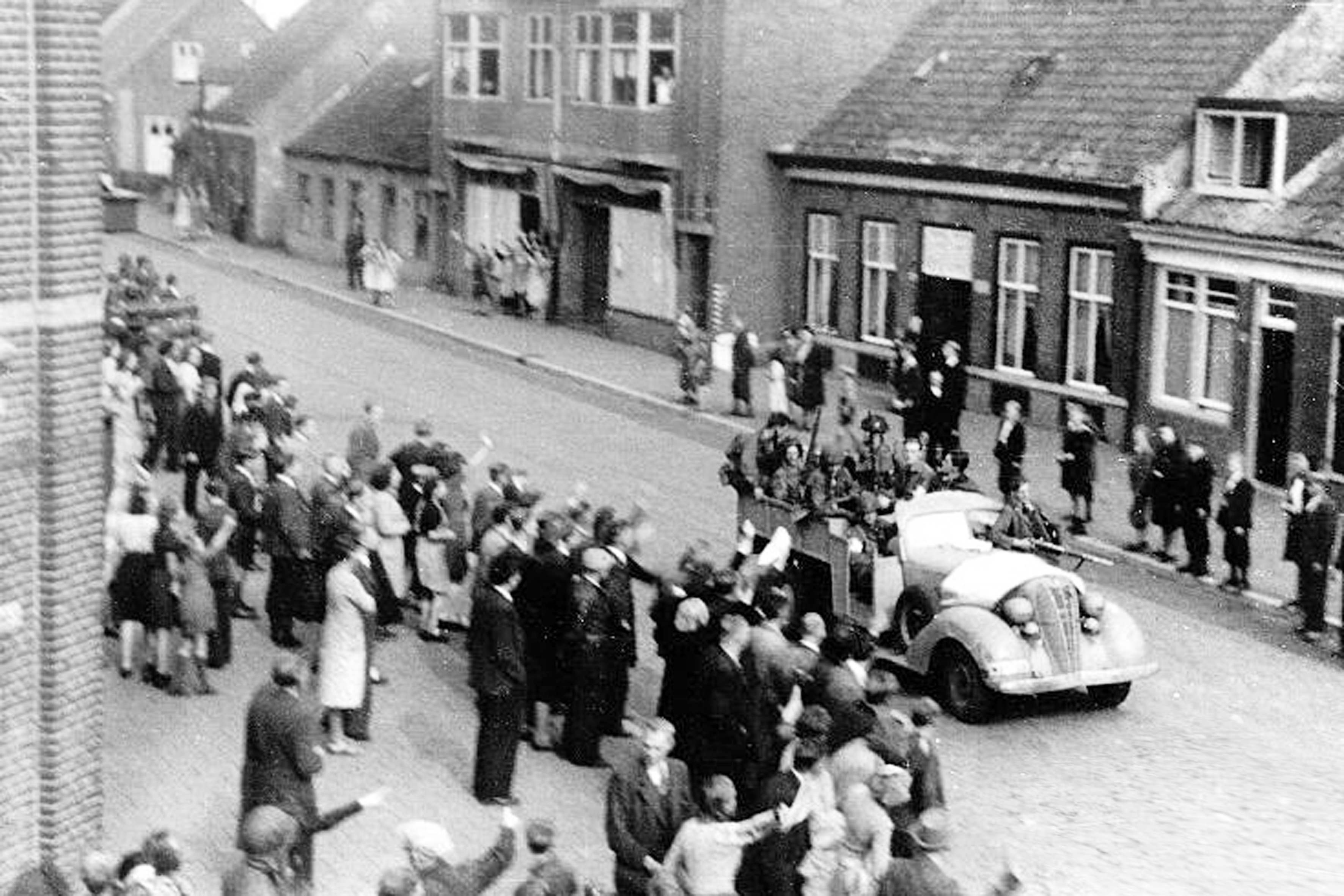
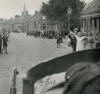
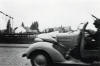
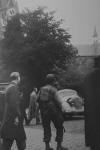
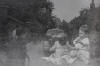
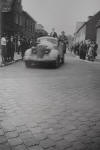
In the Dutch city of Eindhoven,
paratroopers of the 506th Parachute
Infantry Regiment of the 101st
Airborne Division captured two
German flatbed trucks on the 18th of
September 1944. These vehicles were
based on American made 1937
Hudson Terraplane Pickup trucks with
the cabs' roof cut away and custom
wooden beds with seats for troop
transportation installed. They had
been given Wehrmacht Heer (Army)
plate numbers WH1710580
and WH1710748.
At least sixteen
photographs have been taken of the
truck with plates WH1710580 when several units of the
506th made use of the "Umbauwagen"
(converted car) as the Germans
called it.
It was seen all over the city. Only
one known picture exists of the
Terraplane pickup with plates WH1710748. |
|
(click on images to
enlarge) |
 |
On Boschdijk. |
 |
On Parallel Weg along
the railway line near the
Woenselsche Overweg
crossing. |
|
 |
On Parallel Weg; Photo
taken by Eindhoven citizen
Mr. Van de Korput. |
 |
On Kronehoef Straat and
Kooster Dreef. |
 |
On Kronehoef Straat and
Kooster Dreef. |
 |
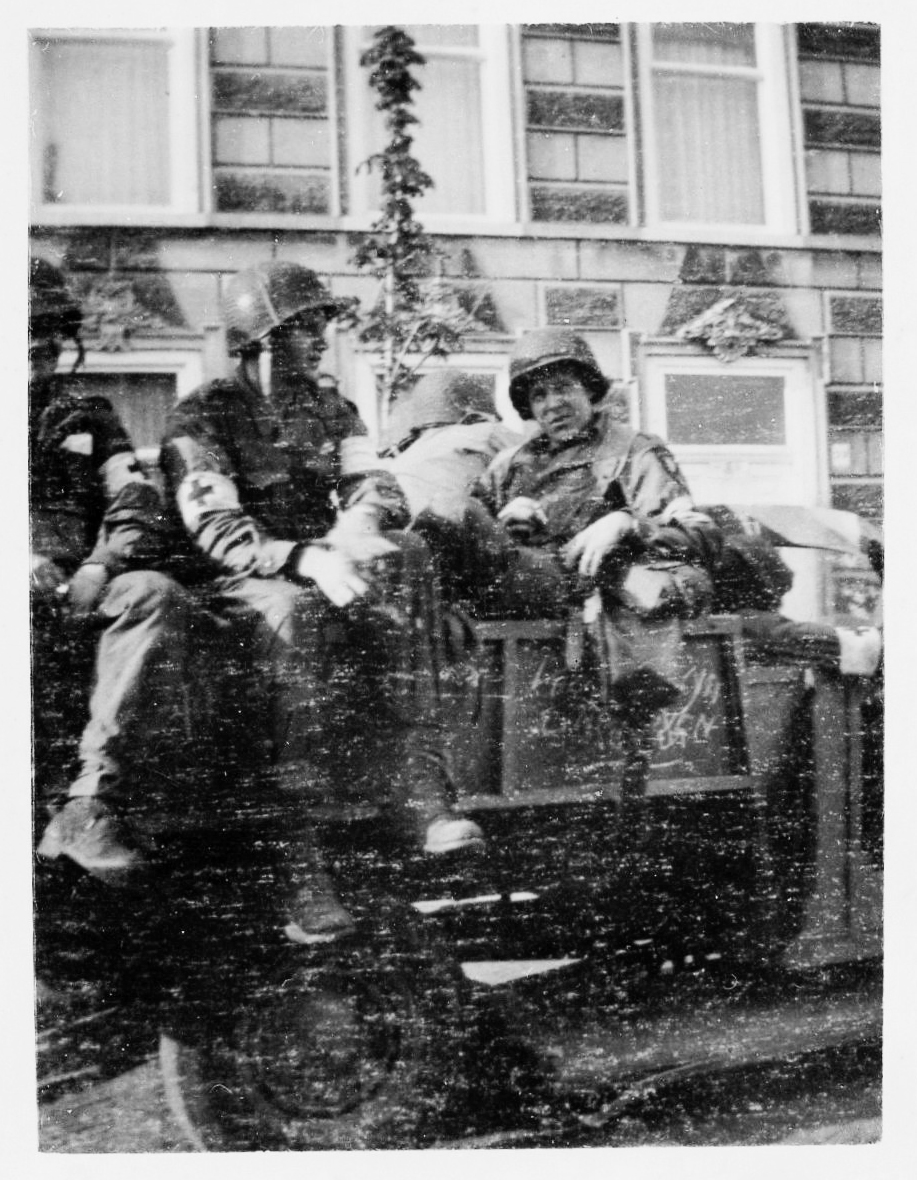
On Kronehoef Straat and
Kooster Dreef.
After taking this shot on
September 18th 1944, the
photographer, doctor Gerard
Janssen, forgot to change
the roll of film causing the
double exposure. |
 |
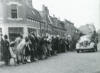
On Run Straat turning
right on Klooster Dreef. |
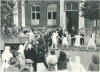
 |
On Kruis Straat. |
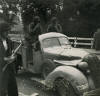
 |
On Market Square near
the Binnenziekenhuis
Hospital.
Note partying nurses. |
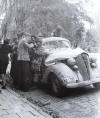
 |
The Umbauwagen at the
junction of Ten Hage Straat
and Vestdijk.
Note local resistance
fighter with American
paratrooper lemet and M1 .30
calibre carbine at left. |
 |
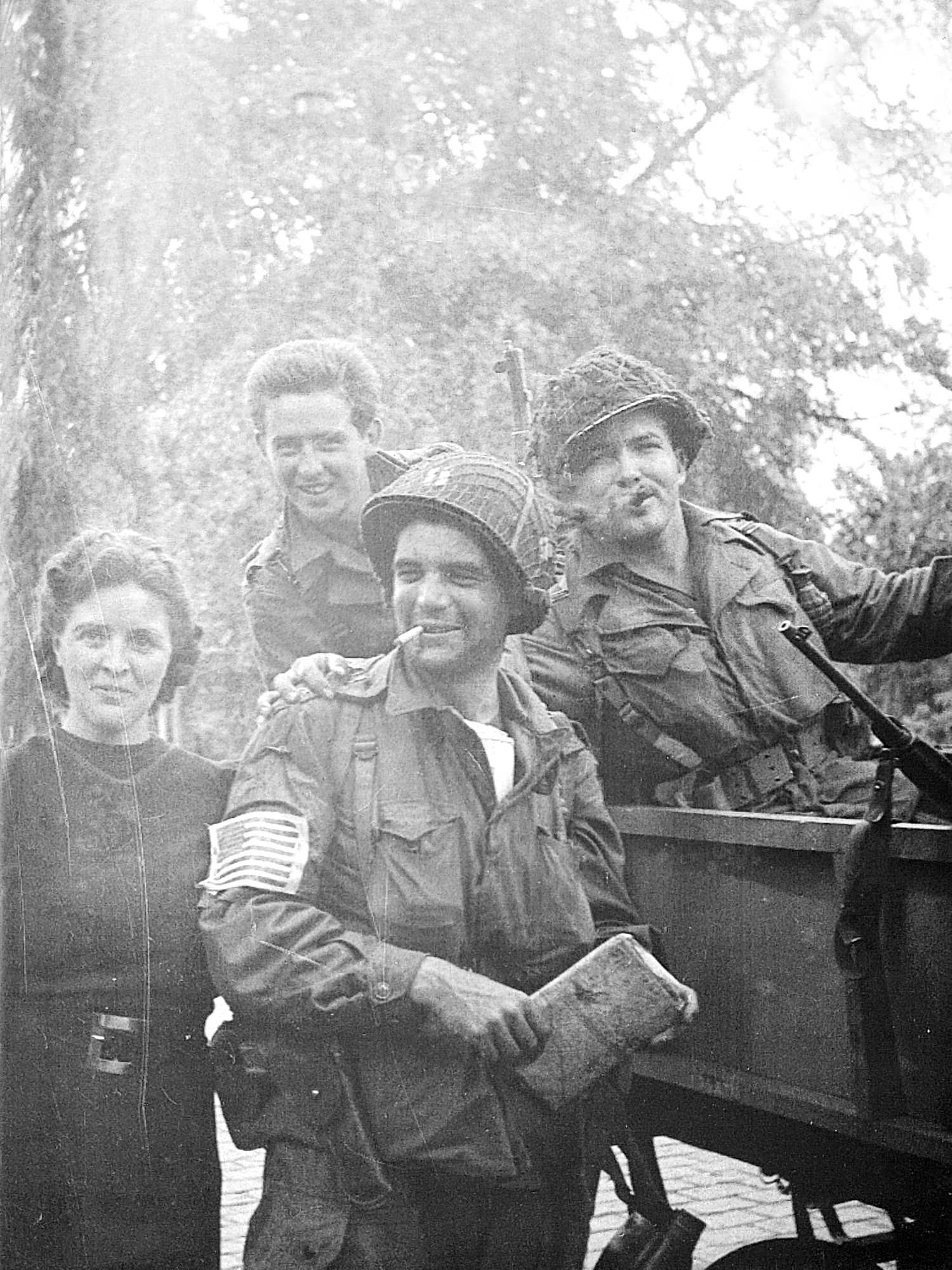
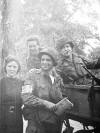
Paratroopers from "E"
Company of the 506th
Parachute Infantry Regimen
and their battalion's
intelligence officer, CPT
Lewis Nixon, discuss German
positions in Eindhoven with
resistance people and an
officer of the Eindhoven
Police Department. |
 |
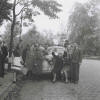
CAPT Lewis Nixon,
Battalion Intelligence
Officer of 2nd Battalion of
the 506th Parachute Infantry
Regiment, at the flatbed of
the Umbauwagen on Nachtegaal
Laan. |
 |
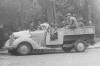
On Nachtegaal Laan. |
 |
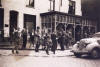
On Nachtegaal Laan. |
 |
At the Eindhoven harbor
on the junction of Bleek
Straat, Kanaal Straat and
Nachtegaal Laan |
 |
On Kanaalstraat |
 |
At another location in
Eindhoven; presumably on
Broekse Weg. |
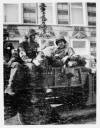 |
In the town of Geldrop a
few miles East of Eindhoven,
during a combat patrol on
September 19th, 1944 |
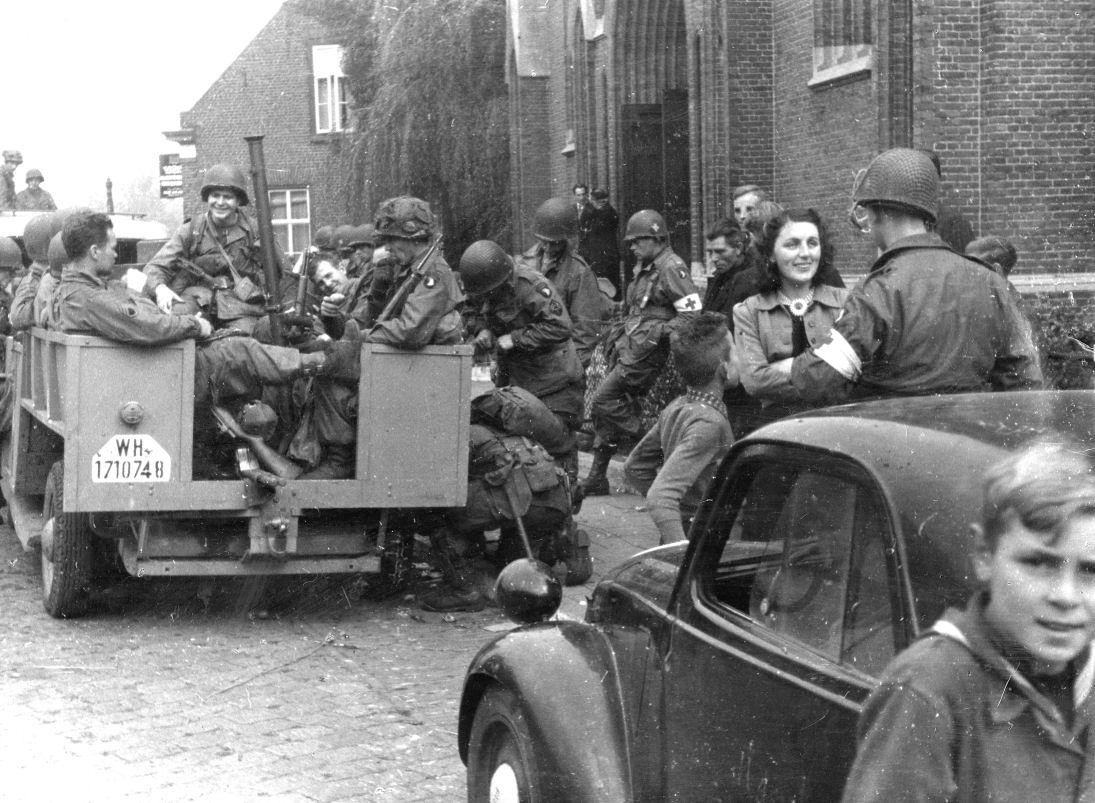 |
At the Saint Martinus
Church on 't Hofke. |
|
|
|
|
Back to Battle Studies
 |
| |
|
|
|
| |
| |
| |
| |
|